
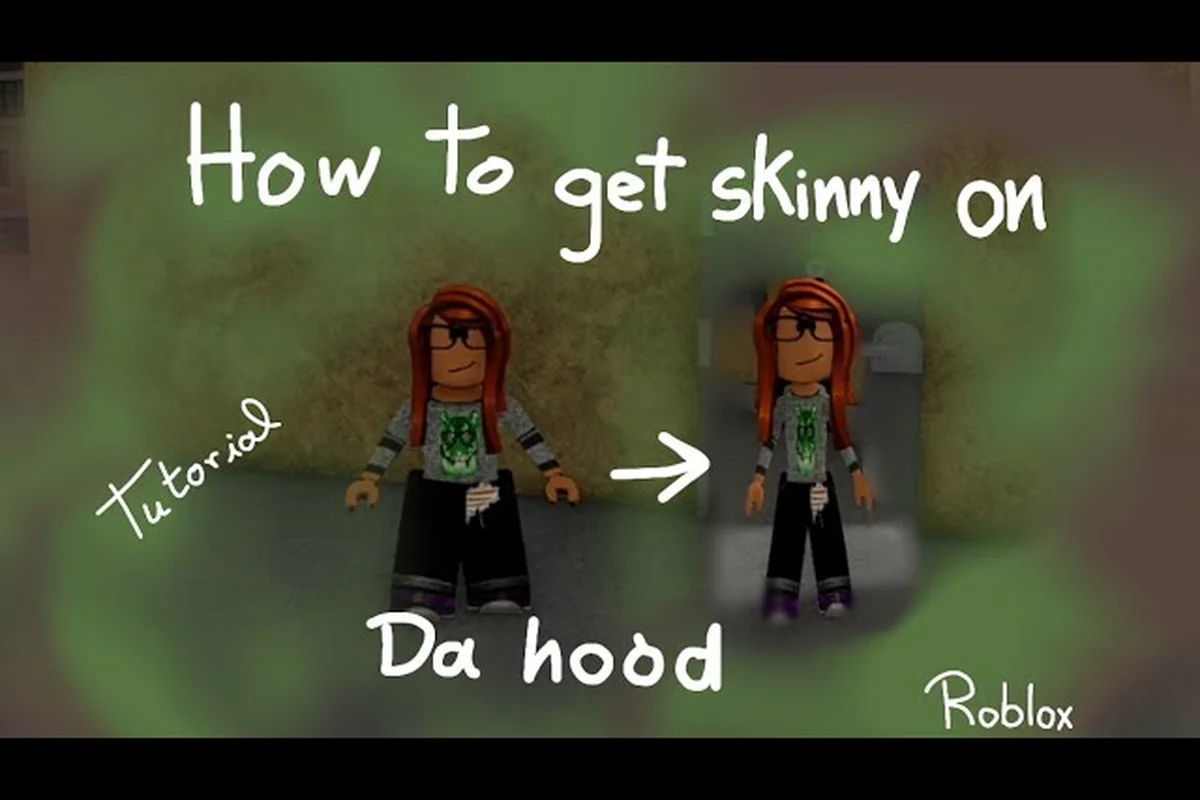
Muscle is one of the most misunderstood mechanics in Da Hood. New players stack pull-ups, crunches, and bicep curls to look intimidating, then realize that every point of muscle weighs them down in a fight. Knowing how to lose muscle in Da Hood gives you back the speed, stamina, and jump height that muscle-heavy builds sacrifice. This guide explains the exact food, lettuce, and energy approach experienced players use to slim their character down, why each step matters, and how the reset interacts with combat performance.
The muscle-loss process is simple on paper but unforgiving in timing. Eat the right items in the right order, let your character's body flush, and you will be back to a lean build that swings faster, sprints longer, and jumps higher. The food, lettuce, and energy pillars below map out the full reset so you can stop guessing and start running lighter.
Why Losing Muscle Matters in Da Hood
The Trade-Off Between Muscle and Speed
Da Hood rewards aggression, and muscle boosts melee damage, gun control, and fist knockdown power. The same muscle that makes your hooks land harder also drains your stamina bar faster, slows your walk speed, and shortens your jump arc. Players who push their character into the high-muscle tier often lose trades against lean opponents who simply outrun them, out-jump them, and outlast them in drawn-out fights.
The community has tested this trade-off for years, and the verdict is consistent: muscle is a commitment, not a free stat. According to community data shared across Roblox threads, the optimal muscle range for most combat-focused players sits between 15% and 35% body type. Below that you trade away too much knockdown power, above that you give up too much mobility.
| Muscle Range | Combat Strength | Combat Weakness | Best For |
|---|---|---|---|
| 0–15% | Fast sprint, high jump, full stamina | Weak melee, easy to knock down | Glass-cannon aimers, parkour |
| 15–35% | Balanced damage and mobility | Moderate in both | All-around fights |
| 35–60% | Strong melee, decent gun control | Slower sprint, lower jump | Boxing-only lobbies |
| 60–100% | Knockdown king, tanky | Very slow, stamina drains fast | Meme builds, roleplay |
When Players Choose to Slim Down
Most players decide to lose muscle after a losing streak where they could not chase down runners, or after switching to a gun-based playstyle that rewards aim over raw power. The Da Hood high jump guide covers how jump height factors into combat pacing, and the same logic applies to muscle management: every percentage point you drop adds measurable mobility.
The most common trigger for a muscle reset is switching your primary combat range: players who main boxing or fist builds gradually shift toward gunfights and knife trades, then notice the heavier body type slows their strafe speed and stamina regen during extended fights. Parkour-heavy crews also push members to slim down, since certain obstacle courses and the jump-height meta penalize anything above the lightweight thresholds. Roleplay servers, crew aesthetic standards, and combo testing all reinforce the same underlying mechanic in Da Hood — muscle mass trades raw punch power for mobility, so dropping even a few percentage points reshapes how your character moves through maps like Uphill and Containers.
-
Switching from boxing or fist fights to ranged or knife play
-
Wanting to qualify for parkour challenges that punish heavy builds
-
Recovering stamina faster during group fights
-
Matching the body type of a crew or roleplay scenario
-
Testing new combos that need faster swing recovery
The Da Hood Food Guide for Resetting Muscle
What the Food System Actually Does
Da Hood tracks three body attributes: Strength, Speed, and Defense. Food items add temporary boosts to these attributes, but the dominant effect on body type comes from how those boosts interact with your current muscle mass. The food guide's main job during a muscle-loss run is to feed your character items that promote Speed and Defense over Strength, so the body slowly sheds muscle mass in favor of leaner tissue.
Da Hood community food guides consistently rank these five items as the backbone of any muscle-loss run, with Lettuce taking the top spot because its speed boost pairs with a hunger reset that nudges the body toward leaner tissue. Donut, Apple, and Banana round out the list as cooldown and filler foods, while Water is the unlock requirement for consuming anything else in the food system.
| Food Item | Primary Effect | Secondary Effect | Reset Role |
|---|---|---|---|
| Lettuce | Speed boost, hunger reset | Mild muscle decay trigger | Primary reset food |
| Donut | Speed boost, small stamina refill | None | Supplement during cooldown |
| Apple | Balanced Speed and Defense | Mild hunger refill | Bridge food between lettuce doses |
| Banana | Speed boost, stamina refill | Negligible muscle gain | Safe filler, no muscle risk |
| Water | Hydration, no stat change | None | Required to consume any food item |
Why Lettuce Carries the Reset
Lettuce is the single most important food in any muscle-loss run because it is the only consumable that actively triggers muscle decay while raising your Speed stat. Each lettuce serving reduces the character's muscle mass by a small but consistent percentage, and the Speed boost that follows makes the rest of the reset cycle feel rewarding.
Players who only eat protein bars, burgers, or steaks build muscle even when they do not visit the gym. Players who only eat lettuce without the rest of the food guide reset cycle tend to plateau at a mid-range body type because the Speed boost alone is not enough. The lettuce-and-bridge-food combination is what keeps the decay going without starving the character or locking out stamina.
Da Hood Lettuce Guide: Step-by-Step Reset
Step 1: Stop All Gym Activities
The first step of any Da Hood lettuce guide is to stop training. Pull-ups, push-ups, bicep curls, and crunches all add muscle mass, and continuing to train cancels out the decay from lettuce. Players often miss this step, eat lettuce for an hour, and then wonder why their character still looks bulky.
Lock in a 24-hour break from any gym equipment. According to community reports, the muscle decay timer only progresses when the character is not actively training, so this break is non-negotiable. If your character has the energy to train, spend that energy on sprinting, jumping, or other parkour movements that burn muscle without adding any.
Step 2: Eat Lettuce in Measured Intervals
Eat one lettuce serving every three to five in-game hours. Eating lettuce back-to-back without spacing the doses triggers a Diminishing Returns state, where each additional serving adds less decay and more Speed overflow. The Speed overflow is not harmful, but it wastes lettuce because the muscle decay curve flattens.
A practical Da Hood lettuce guide routine looks like this: five lettuce servings spaced exactly four in-game hours apart, with a non-muscle bridge food (Apple) inserted at hour 12 to reset Hunger without adding Muscle, and a Donut at hour 20 to refill Stamina so Speed overflow from the stacked Speed buffs (+5% per lettuce) does not lock you out of chasing Muscle-loss targets. This spacing keeps every serving outside the Diminishing Returns window while preserving the cumulative Speed stack for repositioning between fights.
| In-Game Hour | Action | Expected Effect |
|---|---|---|
| 0 | Eat Lettuce #1 | Muscle -1%, Speed +5% |
| 4 | Eat Lettuce #2 | Muscle -1%, Speed +5% |
| 8 | Eat Lettuce #3 | Muscle -1%, Speed +5% |
| 12 | Eat Apple (bridge food) | Hunger reset, no muscle gain |
| 16 | Eat Lettuce #4 | Muscle -1%, Speed +5% |
| 20 | Eat Donut (support) | Stamina refill, no muscle gain |
| 24 | Eat Lettuce #5 | Muscle -1%, Speed +5% |
Step 3: Avoid Muscle-Gaining Foods
Skip burgers, steaks, protein bars, and any other item that boosts Strength during the reset. The food guide's hardest rule is that you cannot out-eat a strength-gaining item with a few lettuce servings. Strength-gaining foods also raise the Defense stat, which sounds helpful but actually slows the character further when the muscle mass stays elevated.
Players who want a quick reference for safe versus unsafe foods during the reset can use the table below, which maps every common Da Hood food guide item to its muscle impact and explains why items like Burgers and Protein Bars stall the decay even when paired with low-Defense snacks. Because Strength and Defense stats both rise from the same muscle-gaining food category, mixing a "neutral" item like Donut with a single Steak can offset several Lettuce servings and reset your decay timer, so the table is sorted by Speed/Strength classification rather than just food name. Checking each meal against this cheat sheet before eating is the fastest way to keep your character model shrinking on schedule.
| Food Category | Reset-Safe? | Reason |
|---|---|---|
| Lettuce, Apple, Banana, Donut | Yes | Speed-focused, neutral or muscle-reducing |
| Burger, Steak, Protein Bar | No | Strength-focused, adds muscle mass |
| Soda, Water, Juice | Yes | Hydration only, no muscle effect |
| Pizza, Chicken, Hot Dog | No | Mixed boost, can stall decay |
Da Hood Energy Guide: Stamina Management During the Reset
How Energy Works During a Muscle Reset
Energy is the meter that lets your character sprint, jump, and perform melee combos. A high-muscle character burns energy faster because the body is heavier, so the Da Hood energy guide for a muscle-loss run focuses on two goals: keeping the energy meter full enough to train safely, and using the Speed boost from lettuce to recover energy faster through passive regen.
According to the official Roblox games listing, energy regen scales with Speed and current muscle mass, which is why a leaner character recovers stamina between fights far faster than a tank. The community calls this the Energy Dividend: every percentage point of muscle you shed returns a small but compounding boost to how quickly the bar refills.
Foods and Actions That Refill Energy
The Da Hood energy guide recommends three habits during the reset window: pairing each lettuce dose with a single donut for high stamina refill (no muscle gain), walking instead of sprinting during the cooldown to avoid burning the energy you've stockpiled, and drinking water before every food item since hydration is a hard requirement and adds a small passive stamina boost on its own. Together these habits let you keep your energy bar above ~30% between lettuce doses, which is the safe threshold for sustained muscle loss without dipping into your reserves.
-
Donut between lettuce doses — restores a chunk of stamina without adding muscle
-
Walk instead of sprinting during cooldown — preserves energy for the next lettuce dose
-
Drink water before each food item — required to consume any food, and refills a small amount of stamina on its own
| Energy Source | Energy Restored | Muscle Effect | Recommended Timing |
|---|---|---|---|
| Donut | High | None | 2 hours after each lettuce dose |
| Banana | Medium | None | As needed between doses |
| Water | Low | None | Before every food item |
| Rest (no movement) | Slow passive regen | None | Whenever the meter is below 30% |
Why Energy Management Speeds Up the Reset
The energy guide's hidden benefit is that a full energy bar lets your character perform Speed-boosting parkour moves that burn muscle passively. Wall jumps, sprint-jump chains, and rooftop climbs all consume stamina but contribute to the muscle decay timer when paired with lettuce. Players who burn energy sitting in one place reset slower than players who combine food with movement.
Common Mistakes When Trying to Lose Muscle
Mistake 1: Skipping the Gym Break
The single most common error is eating lettuce while still training at the gym. Each pull-up or crunch adds a small amount of muscle that the lettuce then has to offset, and the net decay per hour drops to almost zero. The community's advice is consistent: take a full 24-hour break from the gym before starting the food reset.
Mistake 2: Eating Lettuce Too Fast
A second common mistake is chain-eating lettuce to speed up the reset. The diminishing returns curve means that four lettuce servings eaten in a row produce less muscle decay than four servings spaced four hours apart. The slow approach also avoids the Speed overflow that some players confuse with a bug.
Mistake 3: Forgetting to Re-Hydrate
Lettuce and bridge foods do not register as eaten unless the character drinks water first. Players who skip water waste half their food and stall the reset without realizing why. The energy guide above makes water a mandatory step before every food item for this exact reason.
Mistake 4: Training Again Too Soon
A fourth mistake is hitting the gym the moment the character looks lean enough. Muscle memory in Da Hood means that even a short gym session after a reset rebuilds the body type faster than the original gain curve. Wait at least 48 in-game hours after reaching the target body type before resuming any training, and start with low-rep exercises to ease back into the heavier builds.
Advanced Tips for Players Who Want a Leaner Combat Build
Pairing the Reset With a Role Switch
Some players reset muscle to match the body type required for a specific role. The Da Hood roles guide explains how police officers, dealers, and civilians all have visual body types tied to their role. Resetting muscle to the 15–25% range keeps the character compatible with most roles while preserving enough knockdown power for self-defense.
Combining the Reset With Parkour Practice
The Da Hood grouping guide covers how solo players survive in group-heavy servers, and a lean build is the foundation of that survival. Reset muscle into the 15–25% range, then practice sprint-jump chains and wall jumps to compound the Energy Dividend. Players who do this report noticeably longer survival times against group ambushes.
Using the Reset to Test New Weapons
A lean build lets you test weapons like knives, bats, and pistols without the stamina drain that muscle-heavy builds suffer. Reset to the 15% floor, equip each weapon, and note how the swing speed and stamina cost change. Players who pick a favorite weapon can then decide whether to slowly rebuild muscle or stay lean permanently.
Frequently Asked Questions
How long does it take to lose muscle in Da Hood with the lettuce method?
A full reset from 60% muscle down to 15% muscle takes about 5 to 7 in-game days when you follow the spaced-out lettuce routine. Skipping the gym break or chain-eating lettuce extends that window because of diminishing returns. Most players see visible body type changes after the first 24 hours.
Can I lose muscle without eating lettuce?
Yes, but the process is much slower. Time decay alone reduces muscle mass by a small percentage per in-game day, and the Speed boost from lettuce is what makes the reset feel active instead of passive. Players who refuse to eat lettuce can still slim down by skipping the gym and avoiding strength-gaining foods, but the timeline stretches to two to three weeks.
Does losing muscle affect gun fights in Da Hood?
Losing muscle improves gun fights by raising your Speed stat, which in turn improves sprint recovery, ADS speed, and jump accuracy. The trade-off is reduced melee knockdown power, so gun-focused players usually reset into the 15–25% range and stay there. According to community data, lean gunners win more mid-range trades than muscle-heavy gunners because they reposition faster.
Will the reset delete my progress at the gym?
No, the reset only changes the current body type. Your character's gym levels, cash, inventory, and unlocked areas stay intact. You can return to the gym after the reset and rebuild muscle from your previous level instead of starting from zero. This is why the lettuce reset is popular among role players and combat-focused players who switch between the two builds.
What should I eat after the reset to maintain a lean build?
Stick to apples, bananas, donuts, and water after the reset. These foods keep your Speed and Energy stats high without adding muscle mass. Avoid burgers, steaks, and protein bars unless you are intentionally rebuilding muscle. The Da Hood food guide recommends a maintenance diet of one bridge food per in-game day to keep the body type stable.