
PvP Strategies
Master Da Hood PvP with weaving, blocking and stamina drills, plus loadout, crosshair and macro tips that win street fights.
Introduction
Da Hood combat is a timing game dressed up as a shooter. Two players with identical weapons and identical stats will produce wildly different results based on who understands blocking, weaving and stamina management, because every offensive option in the game has a punish window that a prepared defender can exploit. The strategies in this section build from that foundation outward: first the defensive layer of block timing and stamina economy, then the movement tech that creates punish windows, then the aiming and loadout decisions that convert those windows into kills. It also covers the parts of PvP that guides usually skip, such as reading animation packs, disengaging from a fight you cannot win, and handling the team fights and bounty hunters that turn a clean duel into a chaotic three-way.
Combat Techniques and Difficulty
| Technique | When To Use It | Difficulty |
|---|---|---|
| Blocking | Absorbing an incoming burst | Beginner |
| Weaving | Creating a punish window mid-exchange | Advanced |
| Stomps | Finishing a knocked-down opponent | Intermediate |
| Jukes & Spins | Breaking a chase or resetting spacing | Advanced |
PvP Skill Areas
Blocking & Stamina
The defensive layer everything sits on
Weaving
Turning defence into a punish window
Melee & Stomps
Closing out a downed opponent
Aim & Sensitivity
Tracking that holds under pressure
Core Mechanics
Every Da Hood exchange runs on the same three-resource loop. Health decides how many mistakes you can survive, stamina decides how many defensive options you have, and positioning decides whether you can leave. Blocking spends stamina to negate damage, rolling spends stamina to reposition, and weaving spends timing rather than stamina to create a counter window. Because all three are finite, fights have a natural arc: the opening exchange is about reading your opponent, the middle is about trading resources efficiently, and the end is about who still has options left. Players who win consistently are not the ones with the best aim, they are the ones who enter the final phase with more stamina and a better escape route than their opponent. Understanding that arc is what makes the individual techniques useful instead of decorative.
Advantages
PvP skill is the only progression in Da Hood that cannot be taken from you. Weapons are lost on death, cash is dropped, armour breaks, but the timing of a block and the read on a weave carry across every session, every loadout and every server. That makes mechanical practice the highest-return investment a player can make, because it improves outcomes regardless of gear. Skill also compounds with economic advantage: a player who wins fights keeps their loadout, banks more cash and can afford better gear, which widens the gap with every session. Finally, the techniques transfer between situations. The stamina discipline that wins a 1v1 is the same discipline that survives a bounty hunter and the same one that lets a crew hold a chokepoint during a heist.
Challenges
Skill has a hard ceiling against numbers. No amount of weaving beats three players who coordinate, and Da Hood servers are full of groups who will simply overwhelm a better individual fighter. Mechanical techniques also fail against latency: a block that registers late on the server does nothing, which is why high-ping players lose exchanges they visually won. The learning curve is genuinely steep and unforgiving, because practice requires fights and fights cost gear, so improving is expensive until you are already good. Finally, some techniques are patch-sensitive. Movement tech and animation-based reads change when the developer updates the client, and a strategy built entirely around a glitch has a shelf life measured in weeks rather than seasons.
Frequently Asked Questions
How do I get better at Da Hood PvP?+
What is weaving and how do I learn it?+
Should I use macros in Da Hood?+
Quick Tips
Watch the stamina bar more than the health bar. Health tells you how the fight is going; stamina tells you what options you still have. A player at half health with full stamina is in a better position than a player at full health with an empty bar, because the second one cannot block, roll or disengage. Track it deliberately until reading it becomes automatic, and you will start leaving fights before they turn.
Always enter a fight with an exit in mind. Before you engage, know which direction you will break toward if the exchange goes wrong, and check that the route is not blocked by a second player. Da Hood fights are rarely clean duels, and the players who survive longest are the ones who treat every engagement as something they can leave rather than something they must finish.
Practise in fights you are willing to lose. Skill only improves through repetition under real pressure, but real pressure costs gear, so deliberately pick low-stakes engagements where losing costs you almost nothing. Use those fights to drill one specific mechanic at a time, whether that is block timing, the weave slip or stomp accuracy, instead of playing every fight to win.
Read the animation pack before the fight starts. Different packs telegraph attacks with different wind-up animations, so recognising which one an opponent is running tells you how much warning you will get on their swings. Spending the first few seconds of a fight identifying the pack is worth more than landing an early hit, because it determines whether your blocks arrive on time.
Featured
Da Hood Aim Tips: Better Crosshairs, Sensitivity & Gun Fights
Sharpen your Da Hood aim tips fast — tune crosshair and sensitivity, learn gun fight mechanics, and decide if macros help or get you banned.
Da Hood Speed Glitch PvP: Fast Punches, Defense & Team Fights
Learn Da Hood speed glitch PvP tricks — faster punches, smarter defense, team fight callouts, and combat skills that flip losing rounds into wins.
Da Hood Animation Packs PvP: Counters, Safe Zones & Bounties
Dominate Da Hood animation packs PvP matches — counter shotguns, survive bounties, dodge tryhards, and use safe zones when the heat turns toxic.
All Articles
Da Hood Melee Fights: Dodging, Stomps & Fighting Styles
Win every Da Hood melee fights brawl — master dodging timing, pick the best fighting style, and stomp opponents with sharper crosshair control.
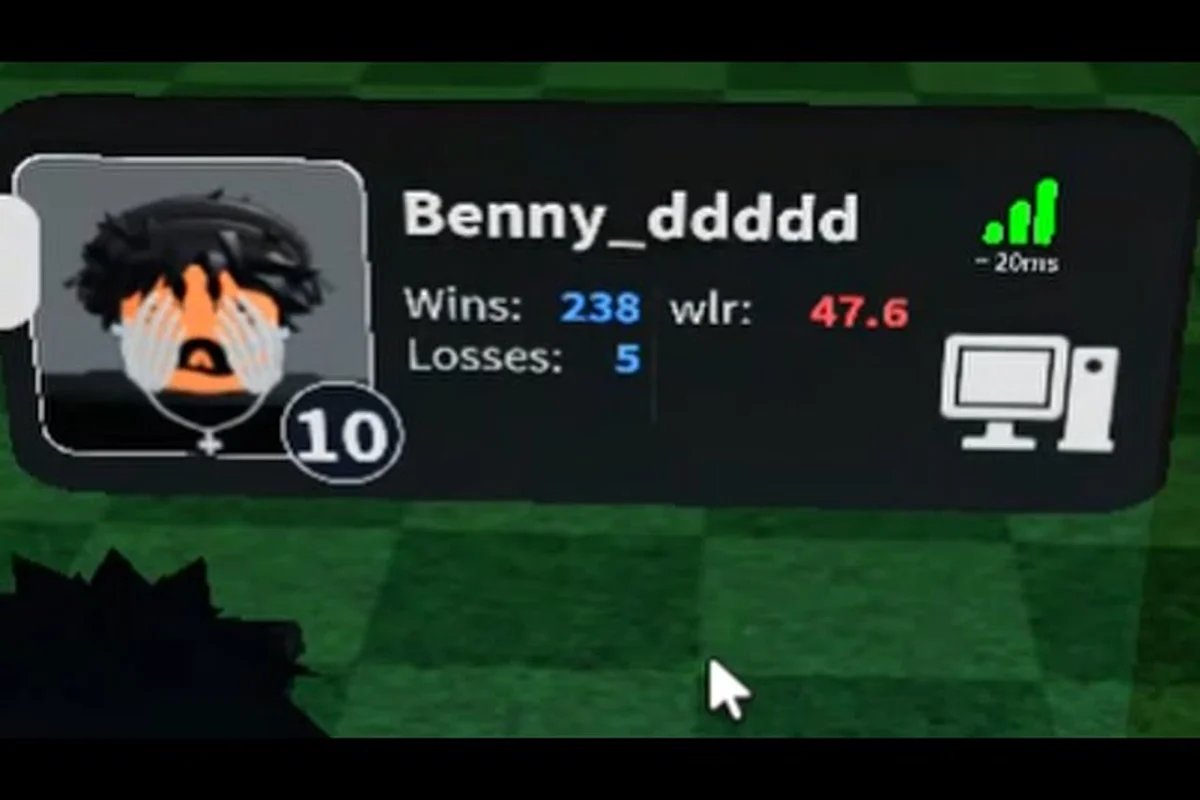
Da Hood PvP Guide: Win 1v1s, Block & Weave Like a Pro
Master every Da Hood PvP guide essential — from weaving and blocking to clean 1v1 strategy that turns every fight into a win.
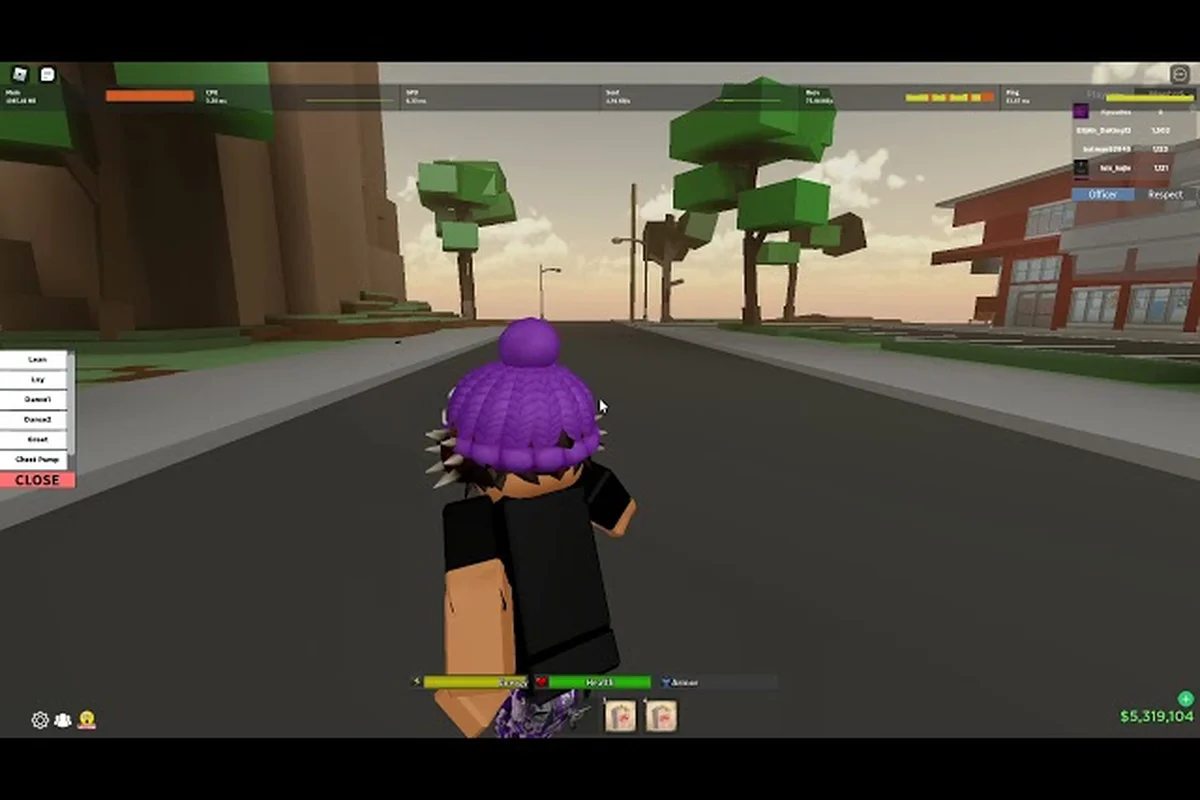
Da Hood Running Away: Juke, Spin & Recoil Control Moves
Master Da Hood running away with sharper jukes, smart spins, recoil control, and flick shot timing to outplay every chaser in a chase.